
November 16, 2026
Identifying a promising data centre market is one thing. Understanding whether that market can support a commercially viable investment or development is another. Knowing market size alone is insufficient. To truly grasp what’s happening in a market and the likely direction of travel, investors, operators, and developers also need visibility into supply, demand, competitive positioning, land pricing, and infrastructure availability.
However, accessing all this data from a single, reliable source has traditionally been difficult, with fragmented and outdated intelligence complicating, rather than informing investment decisions and development planning. A comprehensive market intelligence platform like DC Byte’s Market Analytics brings these data sets together in single platform, allowing organisations to assess opportunities and plan more systematically.
But what does that look like in practice? Here are six practical ways a data centre market intelligence platform can support better business decisions.

Copyright@DCByte
Use Case 1: Identifying Markets with the Strongest Growth Potential
For investors and operators seeking new opportunities, the most important question is where future data centre growth is likely to take place.
Historically, this was a simpler question. Development was concentrated in a relatively small number of established markets. But growing demand and constraints around power, land, and infrastructure are encouraging businesses to evaluate alternative locations.
However, identifying an attractive market for investment or entry requires more than examining the size of its announced development pipeline. A market with significant planned capacity might appear promising on paper, but its prospects will also depend on sustained demand, a favourable competitive environment, and the speed projects progress through development.
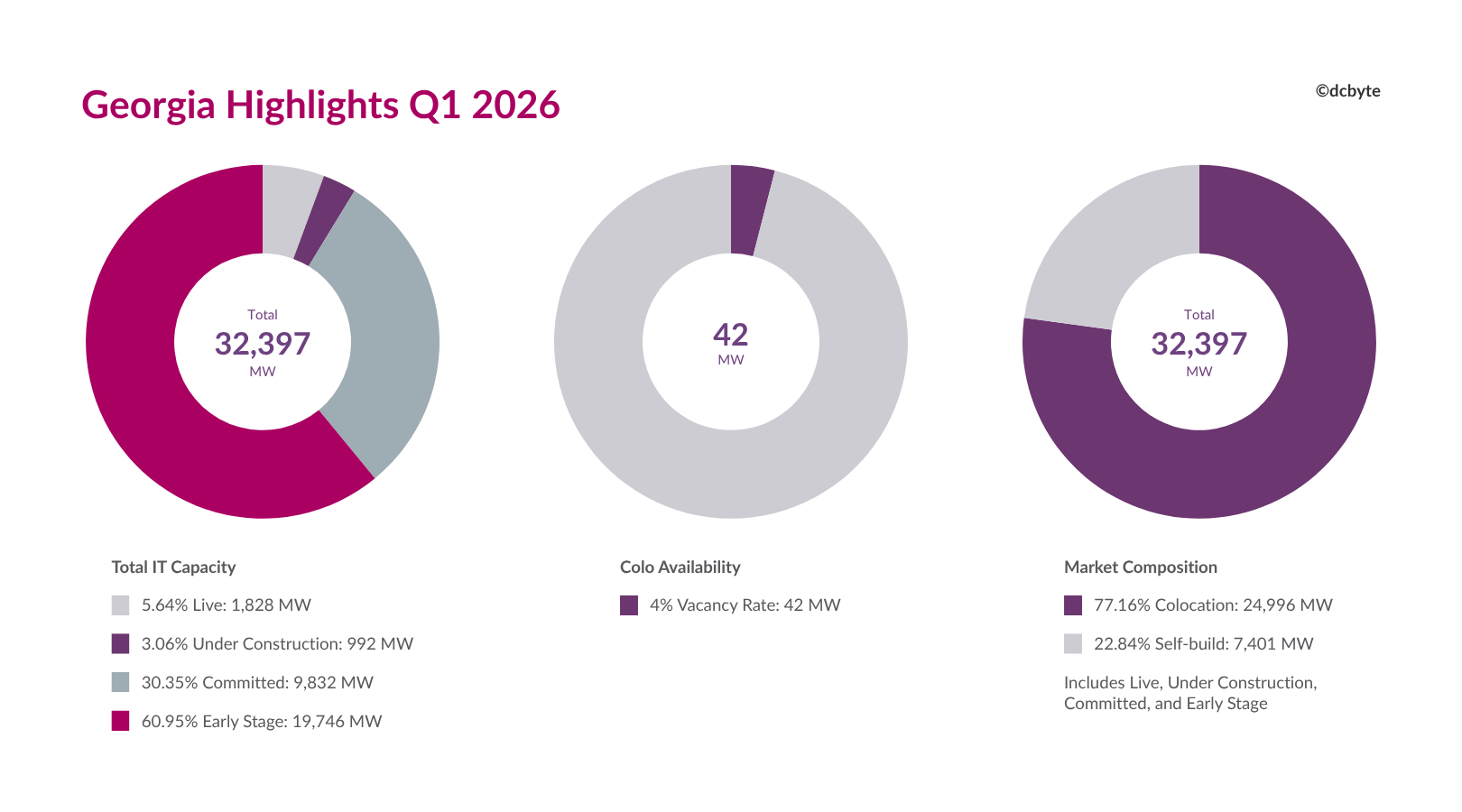
By analysing operational capacity, development-stage supply, vacancy and historical take-up, organisations can develop a clearer understanding of market fundamentals. DC Byte’s Market Analytics platform allows users to compare these indicators across different geographic markets, with Market Highlights providing an overview of existing supply, pipeline capacity and availability. Historical data also helps establish how individual markets have evolved over time.
For example, an investor comparing two emerging European data centre markets could assess their respective development pipelines alongside existing capacity and take-up trends. This may reveal that one market has a significantly larger announced pipeline, while the other has demonstrated stronger historical absorption and a greater proportion of projects at advanced development stages. Such comparisons can help investors and operators prioritise markets for further investigation, rather than relying on headline growth figures alone.
Copyright@DCByte
Use Case 2: Supporting Data Centre Site Selection and Development Feasibility
There are few decisions in data centre development more consequential than location. Of course, land availability and acquisition costs are important factors, but they tell us very little about site’s viability for a data centre project. Just as important are factors such as electricity infrastructure, connectivity, environmental risks, and proximity to existing data centre clusters.
Power availability has become a particularly important consideration in many markets, with increasing electricity demand placing pressure on grid infrastructure. As a result, identifying a suitable parcel of land does not necessarily mean that a development can proceed within the desired timeframe.
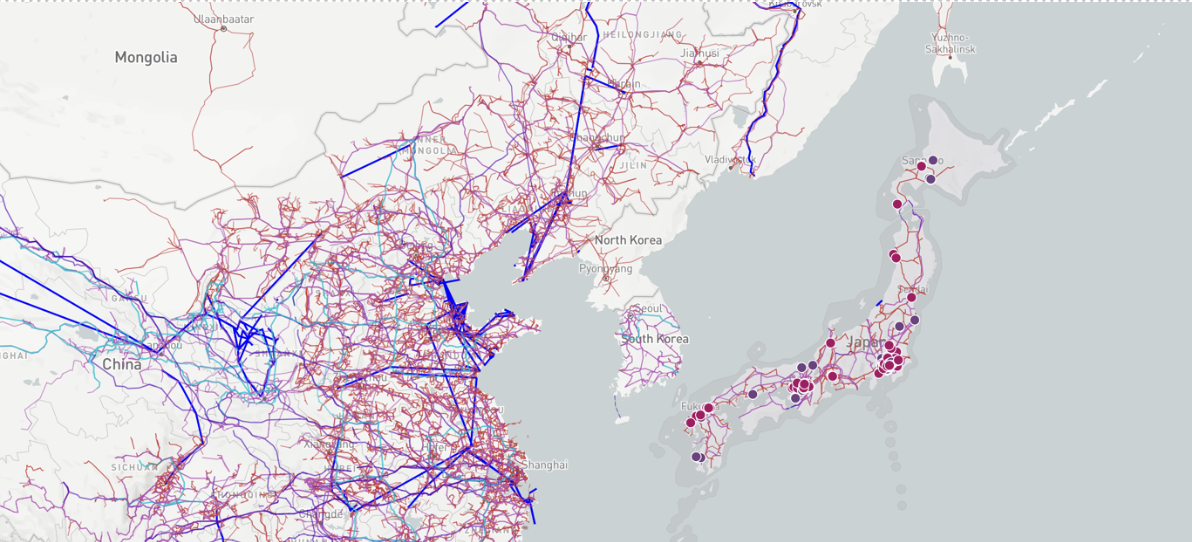
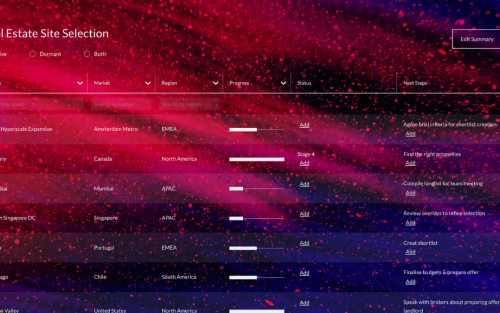
Market intelligence can help developers assess these considerations earlier in the site selection process. DC Byte’s interactive mapping and infrastructure overlays allow users to examine data centre locations alongside information on power networks, connectivity, renewable energy infrastructure, and flood risk. For a developer assessing several potential sites, these datasets can provide an initial indication of their relative advantages and constraints.
Copyright@DCByte
For instance, a site close to established fibre infrastructure and an existing data centre cluster may warrant further investigation. Conversely, a location with potential environmental constraints or limited surrounding infrastructure may require additional scrutiny.
Importantly, this form of analysis does not replace detailed technical assessments or engagement with utility providers. Instead, it enables developers to screen opportunities more efficiently, prioritising locations that merit further due diligence.
Use Case 3: Evaluating Supply, Demand, and Development Pipeline Risk
Understanding the relationship between data centre supply and demand is central to investment and development planning. However, headline supply figures do not always provide an accurate picture of market conditions.
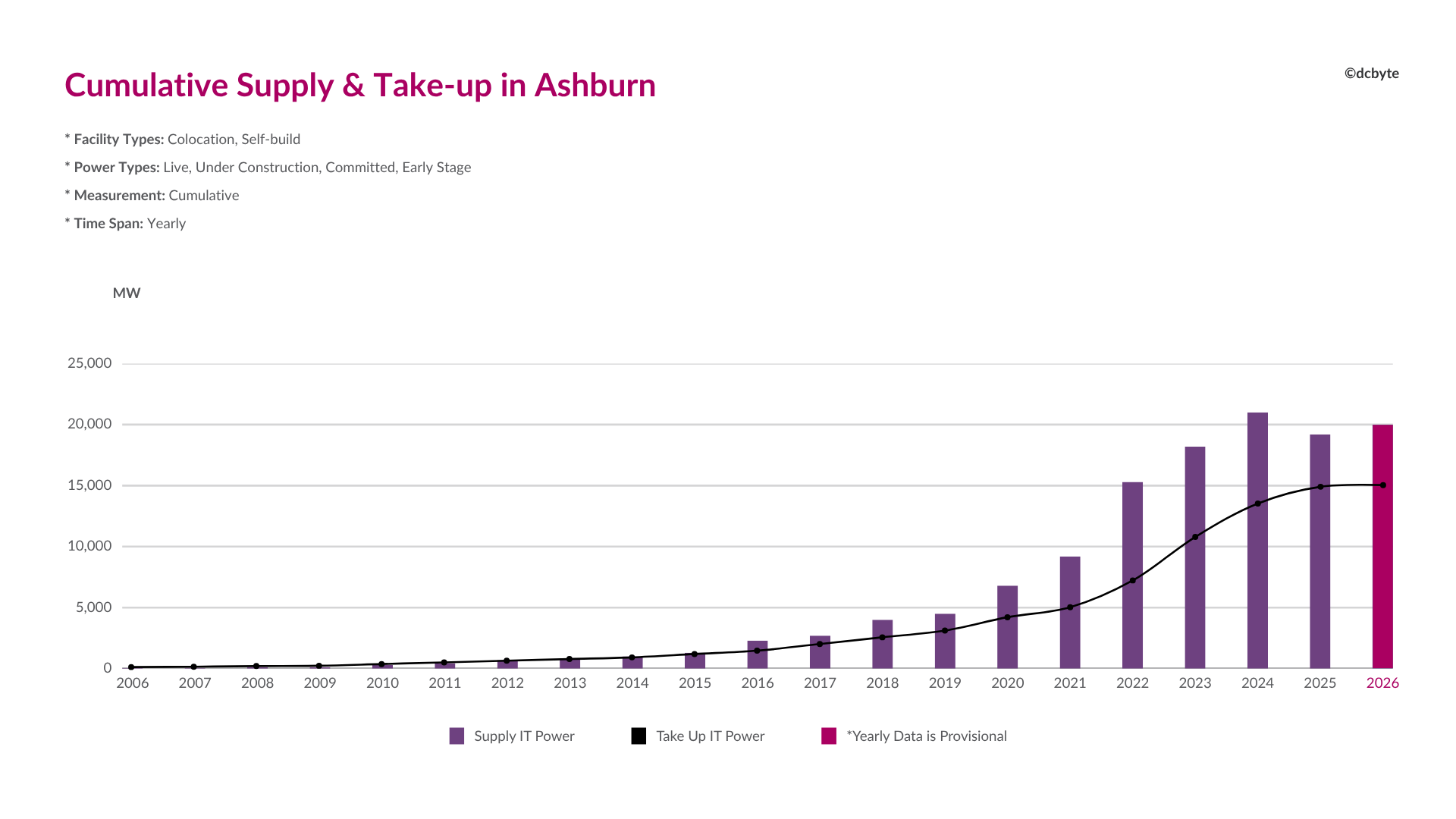
A market may have substantial capacity in its development pipeline, but that does not mean all of it will become operational in the near term. Projects can face delays associated with power connections, planning approvals, financing and construction. Equally, a market with relatively limited new development may still offer opportunities if existing capacity is being absorbed quickly. This makes the distinction between operational, committed and early-stage development capacity particularly important.
 Copyright@DCByte
DC Byte’s Supply Pipeline and Supply and Take-up tools allow users to examine capacity at different development stages, assess availability, and track how market supply has changed over time. These insights can inform decisions about the timing and scale of future developments.
Consider an operator planning a new colocation facility. Examining the market’s historical take-up alongside operational availability and upcoming supply can help assess whether additional capacity might be absorbed within the proposed development timeframe. The operator might also identify a substantial volume of competing capacity scheduled for delivery, prompting a reassessment of its own development timetable or phased construction strategy.
Use Case 4: Benchmarking Competitors and Understanding Market Positioning
For data centre operators, understanding the competitive landscape is essential when considering expansion into a new market or assessing an existing portfolio.
However, benchmarking competitors is not always straightforward. Facility counts alone can provide a misleading indication of market position, particularly when comparing operators with substantially different facility sizes and development strategies.
An operator with a relatively small number of large campuses may control considerably more IT capacity than a competitor with a broader portfolio of smaller facilities. Therefore, examining market share by capacity provides a more meaningful basis for comparison.
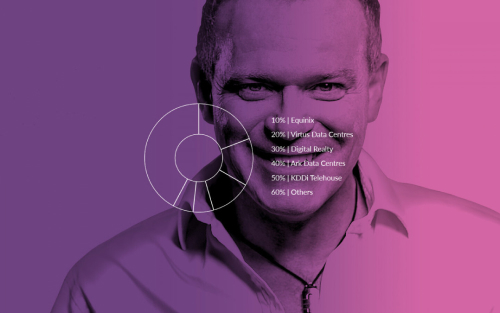
DC Byte’s Market Leaderboard and Market Share tools allow users to identify leading operators and compare their positions based on capacity. The platform’s Company Analytics functionality also provides visibility into individual operators’ geographic footprints and historical expansion activity.
Together, these capabilities can help businesses assess competitive concentration, identify established market participants, and understand how their positions have changed.
Use Case 5: 5. Supporting Investment Valuations and Transaction Decisions
Investment decisions in the data centre sector require an understanding of both asset-specific characteristics and wider market conditions. However, assessing appropriate land and facility valuations can be challenging, particularly in markets where comparable transactions are relatively limited.
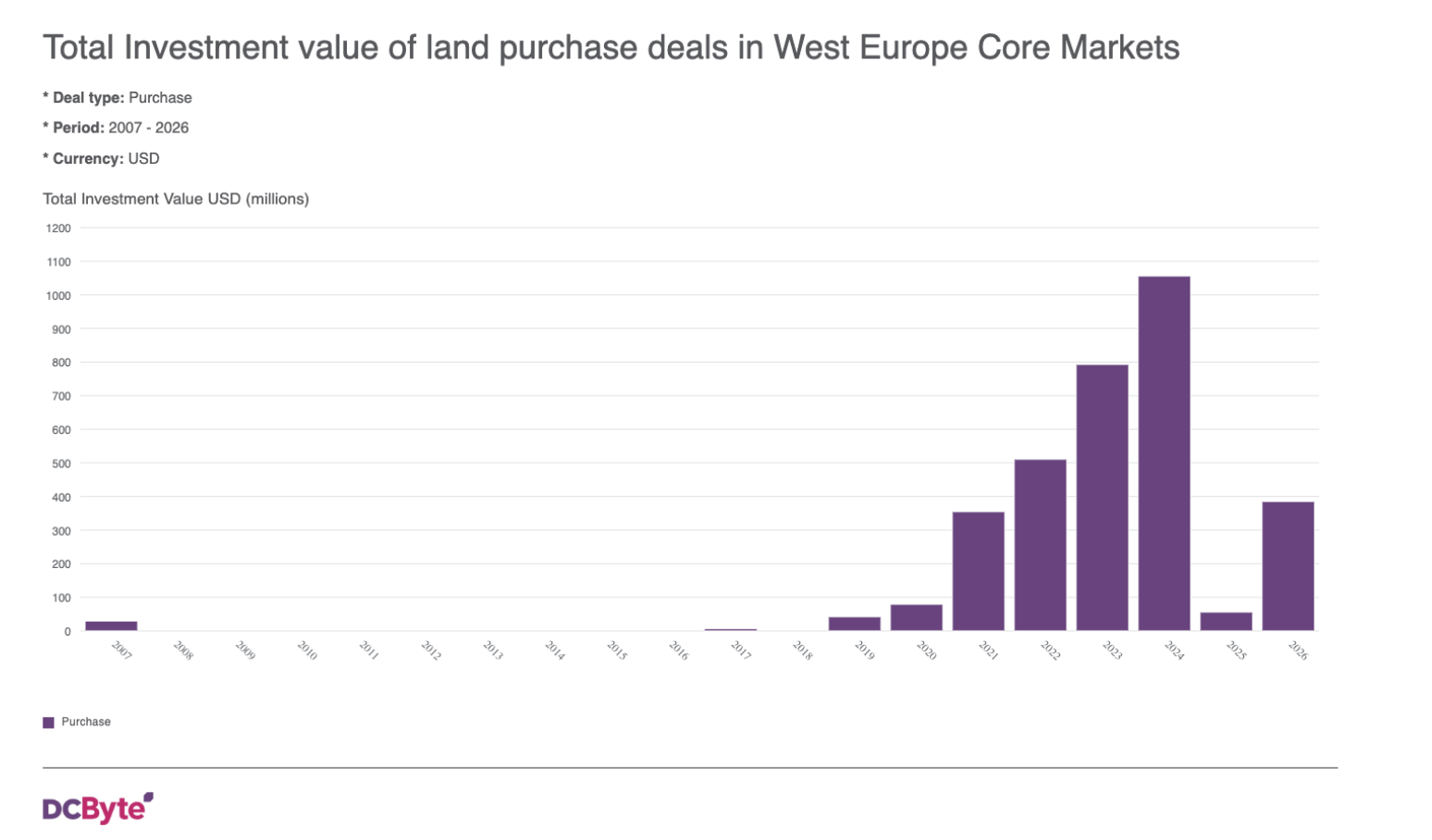
Reliable transaction data can provide an important reference point when evaluating acquisition opportunities or preparing investment appraisals. DC Byte’s Transaction Analytics functionality allows users to examine pricing movements for land and data centre facilities across key markets, helping establish a clearer picture of historical transaction activity.
For example, an investor considering the acquisition of a development-stage data centre site could compare relevant land transactions while assessing nearby developments, market capacity and competitive conditions. Similarly, developers preparing business cases for new projects can use transaction comparables to support land cost assumptions and evaluate whether prospective acquisitions are competitively priced.
Of course, historical transactions alone can’t determine what an individual asset is worth. Site-specific characteristics and wider market conditions must still be considered. Nevertheless, access to consistent transaction intelligence can help investors and developers make better-informed assessments, particularly when entering unfamiliar geographic markets.
Copyright@DCByte
Use Case 6: Building More Informed Long-Term Data Centre Strategies
While current market conditions are important, strategic planning also requires an understanding of how the data centre industry has evolved. Historical trends can reveal changes in the composition of demand, the expansion of different operator types and shifts in the geographic distribution of new developments.
For example, the growth of hyperscale infrastructure has reshaped many markets, while emerging AI workloads are introducing new requirements around capacity, power density, and infrastructure design. Understanding these changes can help organisations assess whether current market activity represents a continuation of established trends or a potential change in direction.
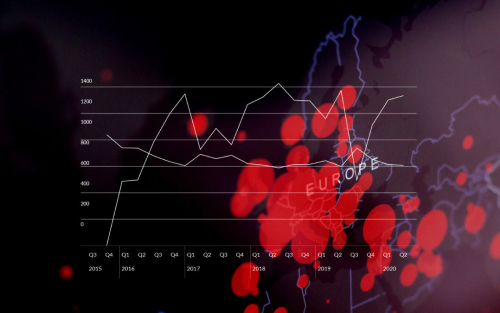
DC Byte’s Market Trends Over Time and New Take-up by Type functionality allows users to examine historical patterns in supply growth, market composition and demand. Combined with the platform’s customisable research tools and facility-level information, these datasets can support longer-term market analysis.
To give a practical example, an investment team developing a multi-year geographic strategy could compare historical capacity growth and take-up across several regions. This could help identify markets where demand has consistently expanded, as well as those characterised by more variable development activity.
Historical data cannot predict future market performance with certainty. However, it provides essential context for evaluating assumptions and developing more informed strategies.
Turning Data Centre Market Intelligence into Actionable Strategy
Reliable market intelligence gives decision makers a clearer understanding of current conditions, historical trends, and credible future development.
For investors, this can mean stronger investment appraisals and more informed market selection. For operators, it can support expansion planning and competitor benchmarking. For developers, it can help identify suitable locations and assess the commercial viability of potential projects.
By bringing together market, facility, infrastructure and transaction intelligence, DC Byte’s Market Analytics platform provides a comprehensive view of the global data centre landscape, supported by ongoing research and validation from its analyst team.
If your planning depends on separating announced capacity from deliverable capacity, you need better visibility on data centre markets, not bigger bets. Book a demo with our team to explore our Market Analytics, where we capture global data centre capacity by market and development stage.
Related Posts












































































































BOOK A DEMO
Discover the Global Data Centre Landscape
Join industry leaders using DC Byte to track infrastructure across 135+ countries.